Views: 0 Author: Site Editor Publish Time: 2025-12-01 Origin: Site


Cell cryopreservation is a critical process in research, biotechnology, and clinical applications, allowing for the long-term storage of cells, tissues, and even entire organs. However, ensuring high cell viability after freezing and thawing is not always straightforward. Many researchers face challenges due to incorrect procedures, improper media selection, or mishandling during the cryopreservation process. In this article, we will explore the common mistakes that can lead to low-temperature preservation failure and how to avoid them. With the right cell cryopreservation medium and cryopreservation kits, you can maximize cell viability and ensure successful outcomes. At YOCON Biotech, we provide high-quality cell cryopreservation products that address these issues and ensure reliable cell preservation.
One of the most critical factors affecting the success of cryopreservation is the selection of the right cryomedium. Cryopreservation media are specially formulated to protect cells during freezing and thawing. Suboptimal or undefined media can significantly increase the risk of cell damage during the freezing process, leading to poor post-thaw viability.
Cryoprotectants, such as DMSO (Dimethyl Sulfoxide) and glycerol, are essential components in cell cryopreservation medium. These agents prevent the formation of ice crystals within the cells, which can rupture cell membranes and cause irreparable damage. If a cryomedium lacks the appropriate levels of cryoprotectants or does not contain the correct formulation for a specific cell type, the preservation process can fail.
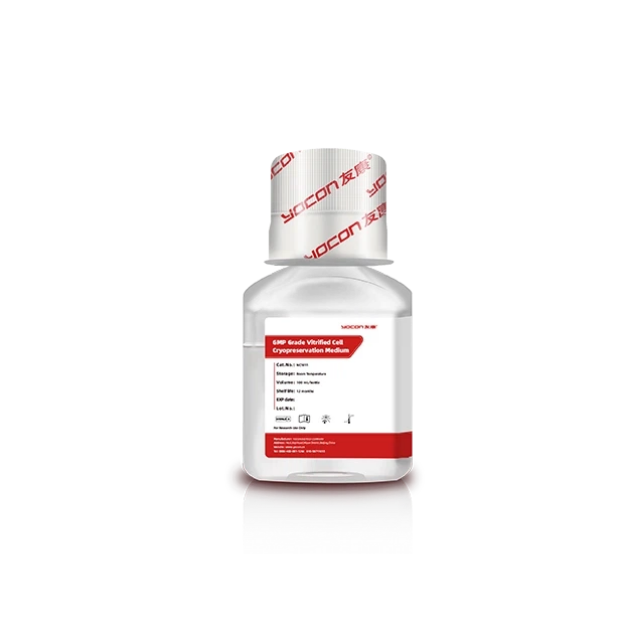
At YOCON Biotech, we offer cell cryopreservation kits with carefully formulated cryopreservation media designed to maintain the integrity of various cell types. Whether you are working with stem cells, immune cells, or other cell types, our products ensure that cells are protected during the freeze-thaw process.
Another common mistake in cryopreservation is incorrect freezing or thawing rates. Freezing too quickly can result in the formation of large ice crystals inside the cells, while freezing too slowly can cause cellular dehydration. Both can lead to irreversible damage to cell membranes and organelles.
Controlled-rate freezing is the gold standard in cryopreservation. This method involves gradually lowering the temperature at a controlled rate (typically 1°C per minute), which allows water to slowly exit the cells, reducing the likelihood of ice formation inside the cells. Passive freezing, on the other hand, is less controlled and involves placing cells directly into a very cold environment without regulating the cooling rate. This can cause rapid freezing and significantly reduce cell viability.
Thawing is equally important. Rapid thawing is recommended to prevent ice crystals from reforming within the cells. A quick thaw at 37°C, followed by placing cells in a pre-warmed medium, helps minimize damage and improves post-thaw recovery.
YOCON Biotech’s cell cryopreservation kits include detailed protocols for both freezing and thawing, ensuring that your cells undergo the best possible preservation process, maintaining high viability after thawing.
Contamination and mishandling during the cryopreservation process can lead to failed preservation outcomes. Proper aseptic technique and careful handling are essential to avoid contamination of the cell cryopreservation medium and the cells themselves. Contaminants such as bacteria or fungi can interfere with the preservation process and lead to the death of cells during freezing or thawing.
Handling errors, such as using unsterile equipment or improper transfer techniques, can also compromise the integrity of the cells. For example, repeated pipetting or shaking can cause mechanical damage to fragile cells, particularly during the thawing process.
To minimize these risks, always use sterile cryovials and ensure that your cryopreservation kits are used in a controlled and clean environment. At YOCON Biotech, we ensure that our cryopreservation products come with clear, precise instructions and are designed to make handling easy and safe, reducing the chances of contamination or handling errors.
Using incorrect concentrations of cryoprotectants is another critical mistake that can lead to poor cell recovery after cryopreservation. Cryoprotectants are essential to protect the cells from ice crystal formation during freezing, but too much or too little can be detrimental to cell viability.
Under-protection occurs when the concentration of cryoprotectants is too low, failing to prevent ice formation. This can lead to severe damage to cell membranes and organelles. On the other hand, over-protection can result from high concentrations of cryoprotectants, which can be toxic to the cells. For instance, excessive DMSO can cause cellular toxicity and damage, especially if the cells are exposed to it for too long.
To ensure proper protection, it is essential to follow the recommended concentrations of cryoprotectants for the specific cell type being preserved. YOCON Biotech’s cell cryopreservation medium is optimized with the correct concentrations of cryoprotectants, ensuring that cells are adequately protected without exposure to harmful levels of chemicals.
The density of cells during cryopreservation is a crucial factor affecting their survival rate after thawing. Overcrowding cells in a cryovial can result in nutrient depletion and stress, which can reduce cell viability. On the other hand, too low a density can lead to inefficient cryopreservation, as there may not be enough cells to provide the necessary metabolic activity and recovery after thawing.
Proper preparation of cells before freezing is also essential. This includes washing cells to remove any residual media or serum that might interfere with the cryopreservation process. Furthermore, cells should be in the optimal phase of growth, typically in the logarithmic phase, when they are most robust and ready for cryopreservation.
YOCON Biotech’s cryopreservation kits include recommendations for optimal cell density and preparation, helping ensure that cells are in the best condition for freezing and will achieve maximum post-thaw viability.
The conditions under which cells are stored after freezing play a critical role in maintaining their viability. Storage temperature must be consistently maintained at ultra-low temperatures (typically in liquid nitrogen at -196°C) to preserve cell integrity. Fluctuations in storage temperature can cause ice crystals to form and damage cell membranes, resulting in poor cell recovery after thawing.
Long-term storage at the correct temperature is essential for maintaining cell viability. Poorly controlled storage conditions can lead to cell death and the loss of valuable cell lines, which can be costly for researchers and clinicians alike.
YOCON Biotech’s cell cryopreservation medium is designed to withstand long-term storage in liquid nitrogen, ensuring that cells remain stable and viable during extended storage periods. Our cryopreservation kits provide all the tools needed to preserve cells under optimal conditions, reducing the risks associated with poor storage practices.
The use of high-quality cell cryopreservation kits and cell cryopreservation medium can significantly reduce the risks of the common mistakes mentioned above. YOCON Biotech’s products are specifically formulated to protect cells during freezing and thawing, ensuring optimal viability and recovery. Our cryopreservation kits include precise concentrations of cryoprotectants, optimized freezing protocols, and thorough instructions to guide researchers through every step of the cryopreservation process.
By using YoconCell Cryopreservation Products, researchers can avoid the pitfalls of improper cryopreservation, minimize cell damage, and improve the likelihood of successful recovery. Our cell cryopreservation medium is compatible with a wide range of cell types, from stem cells to primary immune cells, and is designed to support high post-thaw cell viability and functionality.
Cryopreservation is an essential technique for cell storage, but it requires careful attention to detail to ensure successful outcomes. By understanding and avoiding common mistakes—such as improper cryomedium selection, incorrect freezing or thawing rates, and inadequate cryoprotectant concentrations—researchers can significantly improve cell viability after cryopreservation. With the right cell cryopreservation medium and cryopreservation kits, the risks associated with these mistakes can be minimized. YOCON Biotech’s products are designed to optimize the cryopreservation process, ensuring that your cells are preserved with the highest quality and precision.
Contact us today to learn more about how our cell cryopreservation kits and cryopreservation media can help you maximize cell viability and improve your research outcomes.
What is the role of cryoprotectants in cryopreservation?
Cryoprotectants, such as DMSO, prevent the formation of ice crystals inside cells during freezing, protecting the cells from damage and improving post-thaw viability.
How does incorrect freezing rate affect cell viability?
Freezing too quickly or too slowly can cause ice crystals to form inside the cells, leading to cellular damage and reduced survival after thawing.
Why is cell density important in cryopreservation?
Proper cell density ensures that cells are well-prepared for freezing, avoiding overcrowding or too few cells, both of which can affect post-thaw recovery.
What should I do to prevent contamination during cryopreservation?
Ensure proper aseptic techniques are followed, use sterile equipment, and follow recommended protocols for freezing and thawing to minimize the risk of contamination.