Views: 0 Author: Site Editor Publish Time: 2025-12-25 Origin: Site


As the field of cell culture continues to evolve, the adoption of serum-free media is becoming increasingly important. With its potential to offer greater control, reproducibility, and ethical benefits, serum-free media is positioned as a key player in the future of cell-based therapies, clinical research, and biomanufacturing. At YOCON Biotech, we are dedicated to providing serum-free media solutions that meet the high standards required for modern cell culture practices. This article will explore the major trends in serum-free media for 2025, including the drivers behind the shift, advances in formulation, and how these changes will impact the industry.
The shift toward serum-free media has been driven by several key factors, including regulatory requirements, ethical concerns, and the need for reproducibility. In clinical research and therapy development, consistency and control are paramount, and serum-free media offer a solution by eliminating the variability associated with animal-derived serum.
Regulatory pressures are pushing the industry toward more standardized and controlled media formulations. Agencies such as the FDA and EMA increasingly demand the use of serum-free media for clinical trials and therapeutic applications, as they provide better control over the cell culture environment and reduce the risk of contamination from serum-based products.
Ethical concerns also play a crucial role in the adoption of serum-free media. As the use of animal-derived products becomes more scrutinized, serum-free media provide a more ethical alternative that aligns with the growing demand for humane and sustainable practices in scientific research and biomanufacturing.
Finally, the push for reproducibility in research is one of the main reasons for adopting serum-free media. Researchers need consistent and reliable results, and the defined nature of serum-free media helps ensure that experimental outcomes are not influenced by the variability of serum components.
As the demand for serum-free media grows, so does the need for specialized formulations that cater to different cell types and research needs. In 2025, serum-free media will continue to evolve with more customizable solutions for various applications, ranging from stem cell research to vaccine production.
One of the key advances in serum-free media formulations is the development of tailored media recipes designed to support the growth of specific cell types. For example, stem cells, immune cells, and engineered cells all have unique nutritional requirements, and serum-free media can be customized to meet these specific needs. By providing the precise nutrients and growth factors required for different cell types, researchers can achieve better cell expansion and functionality.
At YOCON Biotech, our serum-free media are formulated with flexibility in mind, allowing for customization to suit the needs of various cell culture applications. As research progresses, we expect to see even more advanced and specialized serum-free media that will support the growth of new and emerging cell types, enhancing the potential for cell-based therapies.
The increasing demand for serum-free media will coincide with the expansion of automated and high-throughput systems in cell culture. These systems are designed to streamline the cell culture process, reduce human error, and increase production efficiency. As cell therapy and biopharmaceutical production scale up, serum-free media will be essential in supporting these high-throughput processes.
Serum-free media are particularly well-suited for integration with bioreactors and production platforms, where the need for precise control over culture conditions is critical. Automated systems require media that can maintain consistent composition across large-scale production, and serum-free media provide the uniformity necessary for these applications.
YOCON Biotech’s serum-free media are designed to integrate seamlessly with bioreactor systems, offering a scalable solution for cell expansion and therapy production. As more companies adopt automated systems, the role of serum-free media will become even more central to meeting the growing demand for therapeutic cells and biomanufactured products.
The role of serum-free media in cell-based therapeutics and vaccines is growing rapidly. As the demand for cell-based therapies such as stem cell treatments, immune cell therapies, and gene therapies increases, the need for reliable, reproducible, and scalable culture media becomes essential.
In vaccine production, serum-free media offer a more consistent environment for growing virus vectors and mammalian cells used in the creation of vaccines. These media help reduce variability in the production process, leading to more reliable outcomes. Moreover, serum-free media eliminate the risk of contamination from serum-derived components, which is critical for ensuring the purity and safety of vaccine products.
For companies developing cell-based therapeutics, serum-free media provide an ideal solution for expanding therapeutic cells in a controlled environment. The ability to scale up production while maintaining high cell quality and function is key for successful clinical translation. As the demand for these therapies increases, serum-free media will play a crucial role in enabling the efficient manufacturing of safe and effective treatments.
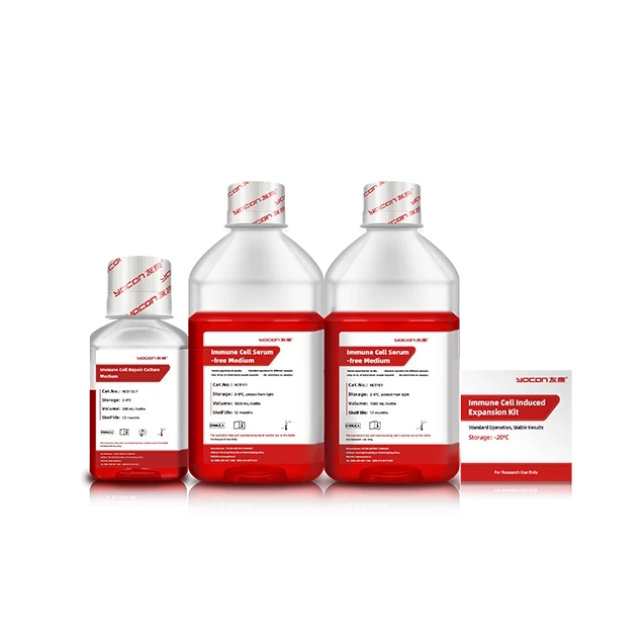
Beyond serum-free media, the next frontier in cell culture media is the development of xeno-free and chemically defined media. These formulations go a step further by eliminating animal-derived components entirely, creating a completely defined culture environment for cells. This trend is particularly important in clinical applications, where minimizing the risk of contamination and immune reactions is critical.
Xeno-free media are designed to eliminate all animal-derived components, offering a more ethical and sustainable solution for cell culture. In addition to removing serum, these media are free from other animal-based ingredients such as growth factors, which are commonly used in traditional media formulations.
As the market for xeno-free media grows, researchers and manufacturers will continue to explore new ways to develop chemically defined media that provide all the nutrients required for cell growth, while offering even greater consistency and reproducibility. The demand for these advanced media solutions will drive innovation in the field, particularly as regulatory agencies push for animal-free products in clinical settings.
Looking ahead to 2025, the market for serum-free media is expected to experience significant growth, driven by the increasing demand for cell-based therapies, vaccine production, and biomanufacturing. As more companies in the biotechnology and pharmaceutical industries adopt serum-free media for their research and production needs, the market will continue to expand, offering new opportunities for innovation and growth.
One of the key factors driving this growth is the increasing regulatory pressure for consistency and safety in clinical trials and therapeutic applications. As more therapies move toward commercial production, the need for standardized, reproducible culture media will become even more critical. Additionally, the adoption of automated and high-throughput systems will further boost the demand for serum-free media, as these systems require media that offer consistent performance at scale.
At YOCON Biotech, we are committed to staying ahead of these trends by continually refining our serum-free media products and developing new solutions to meet the evolving needs of the industry. Our focus on quality, consistency, and innovation positions us to play a leading role in the future of cell culture.
As the landscape of cell culture continues to evolve, it is essential for researchers and companies to stay informed about the latest trends in serum-free media. By understanding the drivers behind the shift toward serum-free media, researchers can make informed decisions about the media they use in their experiments, ensuring that they meet the highest standards of quality and reproducibility.
To prepare for the future, companies should invest in serum-free media solutions that are tailored to their specific research needs, whether they are working with stem cells, immune cells, or engineered cells. By choosing serum-free media, companies can ensure that their cell culture practices remain at the forefront of innovation, enabling them to meet the growing demand for cell-based therapies and biomanufactured products.
At YOCON Biotech, we offer a wide range of serum-free media products that are designed to support the diverse needs of researchers and biomanufacturers. Our solutions are optimized for scalability, consistency, and regulatory compliance, ensuring that your research and production efforts are successful and sustainable.
Contact us today to learn more about how our high-quality serum-free media can help you stay ahead of the trends in cell culture and biotechnology.
What are the main advantages of serum-free media for cell culture?
Serum-free media offer greater consistency, reproducibility, and regulatory compliance, eliminating the variability associated with serum-based culture systems.
How does serum-free media support the growth of cell-based therapeutics?
Serum-free media provide a controlled and reproducible environment that is essential for expanding therapeutic cells for clinical use, ensuring consistent cell quality and functionality.
What is the difference between serum-free and xeno-free media?
Serum-free media eliminate animal serum, while xeno-free media eliminate all animal-derived components, including growth factors, offering a more ethical and sustainable solution for cell culture.
What are the trends driving the adoption of serum-free media in 2025?
The adoption of serum-free media is driven by regulatory requirements, the need for reproducibility in research, and the increasing demand for cell-based therapies and vaccines. These trends are expected to continue shaping the market in the coming years.