Views: 0 Author: Site Editor Publish Time: 2025-12-30 Origin: Site


Cryopreservation is a critical process for preserving cells for research, clinical applications, and therapeutic use. However, ensuring high cell viability after thawing is a complex challenge, requiring the right approach to freezing, thawing, and media selection. Cell Cryopreservation Medium and Cell Cryopreservation Kits play an essential role in protecting cells during the freeze-thaw cycle and maximizing post-thaw viability. At YOCON Biotech, we provide high-quality cryopreservation products designed to maintain the integrity and functionality of cells. In this article, we will discuss the key factors that influence cell viability after cryopreservation and how to optimize these conditions to achieve the best results.
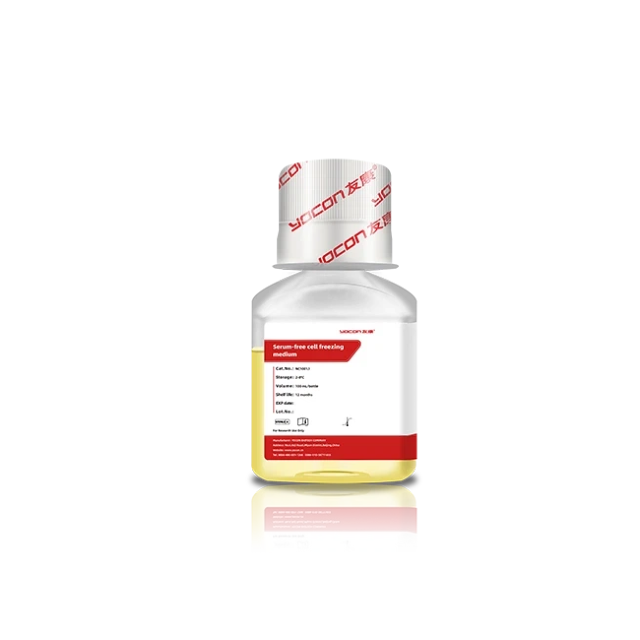
The first step in maximizing cell viability after cryopreservation is selecting the right cell cryopreservation medium. Traditional freezing solutions, such as glycerol-based media, have been widely used, but they can have limitations in terms of toxicity and the risk of ice crystal formation. In contrast, cell cryopreservation media designed specifically for cell types such as stem cells, immune cells, and primary cells offer a defined composition with optimized cryoprotectants that ensure better survival rates.
The key role of cell cryopreservation media is to prevent the formation of ice crystals within the cells, which can cause irreparable damage to cell membranes and organelles. A well-formulated cryopreservation medium typically includes cryoprotectants like Dimethyl Sulfoxide (DMSO), which prevent ice crystal formation, as well as other nutrients and stabilizers that protect the cells during the freezing and thawing process. Choosing the right cryopreservation medium tailored to the specific needs of your cell type is crucial for maintaining cell viability and functionality.
At YOCON Biotech, we offer advanced cell cryopreservation kits that include specialized media formulated for a wide range of cell types, providing the best possible conditions for preserving cell health during storage.
To preserve cells effectively, the cryopreservation medium must contain several key ingredients. Cryoprotectants, like DMSO and glycerol, are essential for protecting cells during the freezing process. These compounds prevent ice crystal formation, which can puncture cell membranes and cause cell death. While DMSO is the most commonly used cryoprotectant, the concentration and type of cryoprotectant must be carefully optimized to prevent toxicity.
In addition to cryoprotectants, other components such as sugars (e.g., glucose) and antioxidants are included in cell cryopreservation media to provide additional protection. Sugars help to stabilize cell membranes during freezing, while antioxidants protect cells from oxidative stress caused by the freeze-thaw cycle. These ingredients work together to maximize cell survival and minimize the risk of cellular damage during storage.
When selecting cell cryopreservation kits, it is important to ensure that the media contains the appropriate levels of these ingredients to match the specific needs of the cell type being preserved. YOCON Biotech’s cryopreservation media are carefully formulated with the optimal balance of cryoprotectants, sugars, and antioxidants to ensure superior protection for your cells.
The freezing protocol, including the cooling rate, plays a crucial role in maximizing cell viability after cryopreservation. Controlled-rate freezing is the preferred method, where the temperature is gradually lowered at a controlled pace, typically around 1°C per minute. This gradual cooling process ensures that ice crystals form slowly outside the cells, allowing for better cellular adaptation and reducing the risk of intracellular damage.
In contrast, passive freezing involves placing cells directly in liquid nitrogen, which can cause rapid cooling and lead to the formation of harmful ice crystals inside the cells. While passive freezing can be used for short-term storage, it is not ideal for maintaining high cell viability over longer periods.
Controlled-rate freezing systems are commonly used in conjunction with cell cryopreservation media to optimize cell preservation. At YOCON Biotech, we recommend using cryopreservation kits with carefully designed protocols to ensure the best possible freezing conditions for your cells.
The thawing process is just as critical as freezing when it comes to maximizing cell viability. Rapid thawing is generally recommended to prevent ice crystals from re-forming inside the cells during the thawing process. Thawing cells quickly at 37°C ensures that the temperature changes rapidly, reducing the time the cells are exposed to damaging conditions.
Once thawed, cells should be gently transferred to a warm, pre-warmed medium to prevent further stress and allow them to recover. Post-thaw handling is essential to maintaining cell viability and functionality. Cells should be carefully handled to avoid mechanical damage, and their environment should be carefully monitored to ensure optimal conditions for recovery.
YOCON Biotech’s cryopreservation kits come with specific thawing protocols and instructions to ensure that your cells recover optimally after cryopreservation, offering practical solutions to help preserve their health and function.
Once cells are thawed, it is important to assess their health and recovery using viability assays and metabolic activity checks. Common viability assays, such as Trypan Blue exclusion and flow cytometry, help determine the percentage of live cells after thawing. Additionally, measuring metabolic activity can provide insights into the cells' ability to proliferate and carry out their normal functions.
These assessments are vital for determining the success of the cryopreservation process and for ensuring that the cells are suitable for downstream applications. In addition to viability and metabolic activity, researchers should also assess the cells’ phenotype and functional markers to confirm that they have retained their therapeutic properties after cryopreservation.
YOCON Biotech’s cell cryopreservation medium is designed to preserve cell functionality during the freeze-thaw process, ensuring that the cells remain viable and functional for future use.
Proper storage and handling of cryopreserved cells are essential to maximizing cell viability. Temperature fluctuations should be avoided at all costs, as even minor temperature variations can cause cell stress or lead to cell death. Cells should be stored in liquid nitrogen tanks or cryovials designed for long-term storage at -196°C to ensure the cells remain preserved in a stable environment.
Handling should be done with care to avoid contamination and mechanical damage. It is also essential to follow established protocols for thawing and culturing cells to minimize the risks associated with mishandling.
YOCON Biotech’s cryopreservation products are optimized for long-term storage and minimal handling, providing peace of mind that your cells will remain viable for extended periods.
At YOCON Biotech, our cell cryopreservation kits are specifically designed to maximize cell viability and ensure superior preservation. Our products contain the highest quality cell cryopreservation medium, which is formulated to protect cells during the freezing and thawing process. With optimized cryoprotectants, sugars, antioxidants, and tailored protocols, our cryopreservation kits are designed to ensure the highest post-thaw recovery rates.
We offer comprehensive support for researchers, providing detailed guidelines for best practices in freezing, thawing, and handling. With YOCON Biotech’s cell cryopreservation products, researchers can confidently preserve their cell cultures, knowing that they are using the best tools available for maintaining cell health and functionality.
Maximizing cell viability after cryopreservation requires careful attention to several key factors, including the choice of cell cryopreservation medium, freezing and thawing protocols, and post-thaw recovery procedures. By following established best practices and using high-quality cell cryopreservation kits, researchers can significantly improve cell survival and functionality. At YOCON Biotech, we are committed to providing the highest quality cell cryopreservation products to help ensure the success of your cryopreservation efforts.
Contact us today to learn more about how our cryopreservation kits and cell cryopreservation media can help you achieve optimal cell recovery and preserve your valuable cell cultures for future research and clinical applications.
What is the role of cryoprotectants in cell cryopreservation?
Cryoprotectants like DMSO prevent ice crystal formation inside cells, which can cause irreparable damage during freezing. They are essential for maximizing cell viability after cryopreservation.
How does controlled-rate freezing differ from passive freezing?
Controlled-rate freezing gradually lowers the temperature of cells to prevent ice crystal formation, while passive freezing involves rapid cooling that can damage cells. Controlled-rate freezing is preferred for maintaining cell viability.
What are the best practices for thawing cryopreserved cells?
Rapid thawing at 37°C is recommended to prevent ice crystal reformation. After thawing, cells should be transferred to a pre-warmed medium to minimize cell stress and promote recovery.
How can I assess post-thaw cell viability?
Viability assays, such as Trypan Blue exclusion and metabolic activity checks, help assess the health of cells after thawing. These tests are critical for ensuring cells are suitable for further use in research or clinical applications.